Top Exercises for Older Adults: Stay Fit and Healthy at Home
Introduction to Exercise for Older Adults
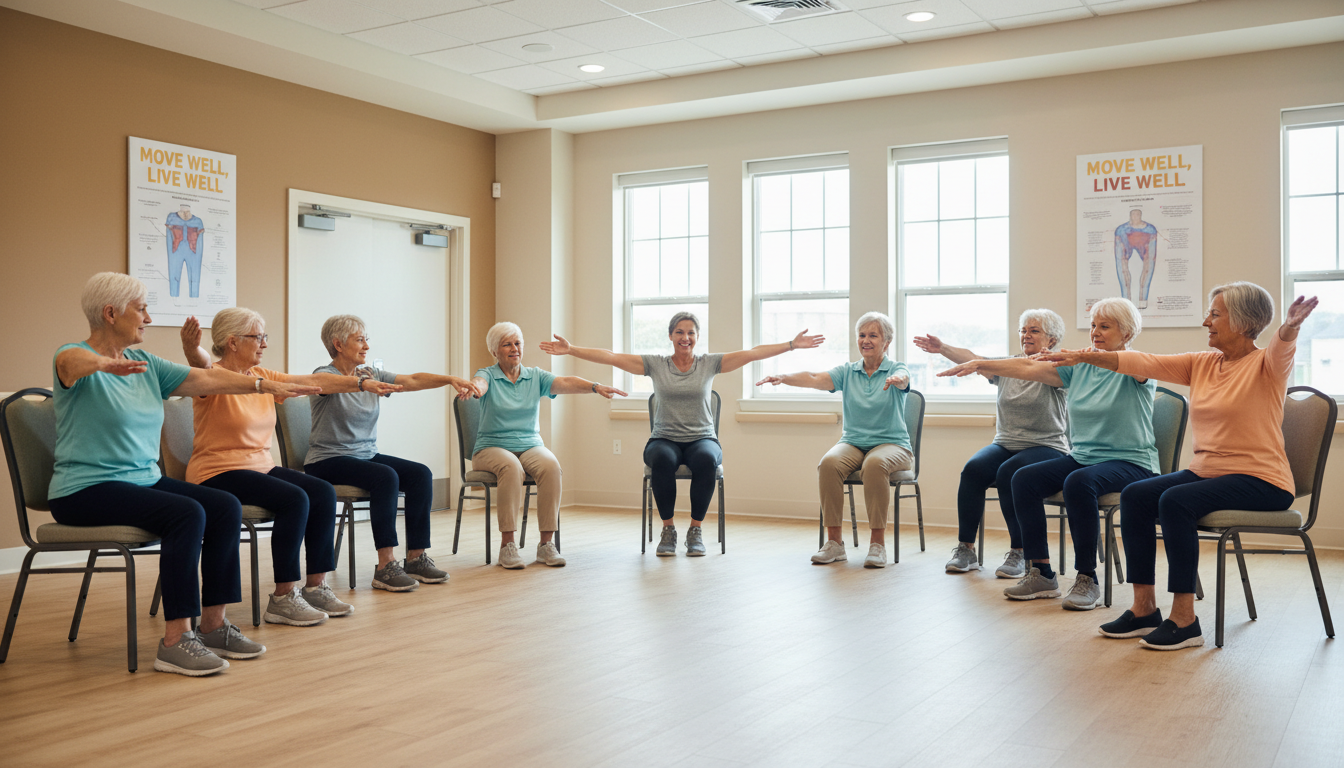
Staying active is crucial at any age, but it's particularly important for older adults. Regular exercise can help maintain strength, flexibility, and balance, reducing the risk of falls and improving overall health. Here, we explore some of the top exercises older adults can do at home to stay fit and healthy.
Benefits of Staying Active
Engaging in regular physical activity offers numerous benefits, including improved cardiovascular health, better mood, and enhanced cognitive function. Exercise can also help manage chronic conditions like arthritis and diabetes more effectively.
It's important to choose exercises that are safe and effective. Many exercises can be done at home, making it easier to incorporate them into your daily routine.
Cardiovascular Exercises
Cardiovascular exercises help improve heart health and increase endurance. Simple activities like walking, cycling on a stationary bike, or even dancing can be great options. Aim for at least 150 minutes of moderate-intensity aerobic activity per week, as recommended by health experts.
- Walking: A low-impact exercise that can be done indoors or outdoors.
- Cycling: Use a stationary bike for a safe, joint-friendly workout.
- Dancing: Enjoyable and can be done to your favorite music.

Strength Training
Strength training is vital for maintaining muscle mass and bone density. Simple exercises using resistance bands or light weights can be effective. Focus on major muscle groups and perform these exercises two to three times a week.
- Chair Squats: Strengthen leg muscles using a chair for support.
- Wall Push-Ups: A gentle way to build upper body strength.
- Resistance Band Exercises: Versatile and easy to do at home.
Flexibility and Balance
Flexibility and balance exercises are essential for reducing the risk of falls. Yoga and Tai Chi are excellent choices, as they promote balance, coordination, and relaxation. These activities can be adapted to suit different mobility levels.
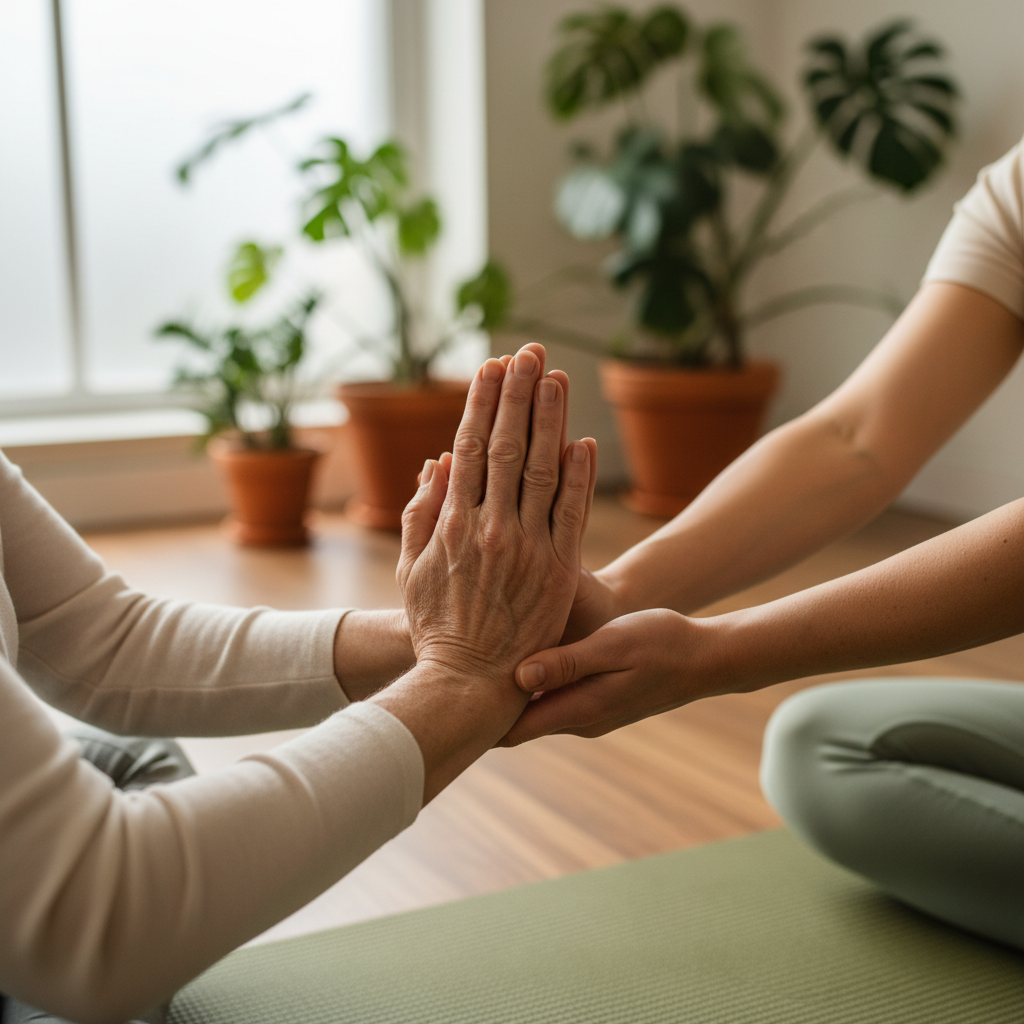
Simple stretching routines focusing on major muscle groups can also enhance flexibility. Incorporate these exercises into your routine at least twice a week.
Safety Tips
Before starting any new exercise regimen, consult with a healthcare provider to ensure the activities are suitable for your health needs. It's also essential to start slowly and gradually increase intensity as your fitness level improves.
Remember to stay hydrated and wear appropriate footwear to prevent injuries. Listening to your body and resting when needed is equally important.
Conclusion
Staying fit and healthy at home is achievable with a balanced exercise routine. By incorporating cardiovascular, strength, flexibility, and balance exercises into your weekly schedule, you can enjoy the profound benefits of an active lifestyle. Remember, consistency is key, and it's never too late to start!