Expert Tips for Maintaining Flexibility and Balance as You Age
The Importance of Flexibility and Balance
As we age, maintaining flexibility and balance becomes increasingly important for overall health and quality of life. Flexibility helps prevent injuries by enhancing the range of motion, while balance reduces the risk of falls. Together, they contribute to a more active and independent lifestyle.
Start with Gentle Stretching
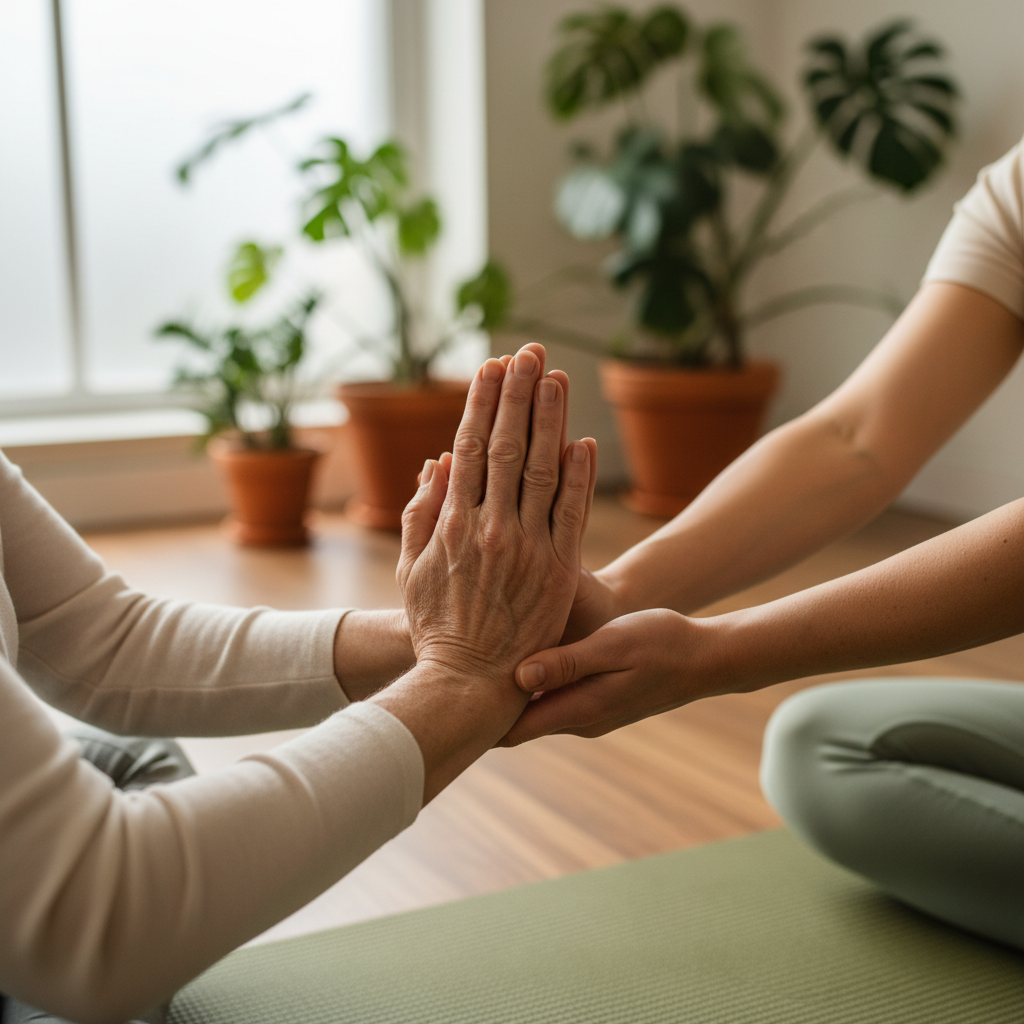
Incorporating gentle stretching into your daily routine can significantly improve flexibility. Focus on major muscle groups and hold each stretch for 15-30 seconds. Consistency is key, so aim to stretch every day.
Yoga and tai chi are excellent practices for boosting flexibility and balance. These activities not only stretch muscles but also improve posture and coordination. Consider joining a local class or following online tutorials to get started.
Strengthen Core Muscles
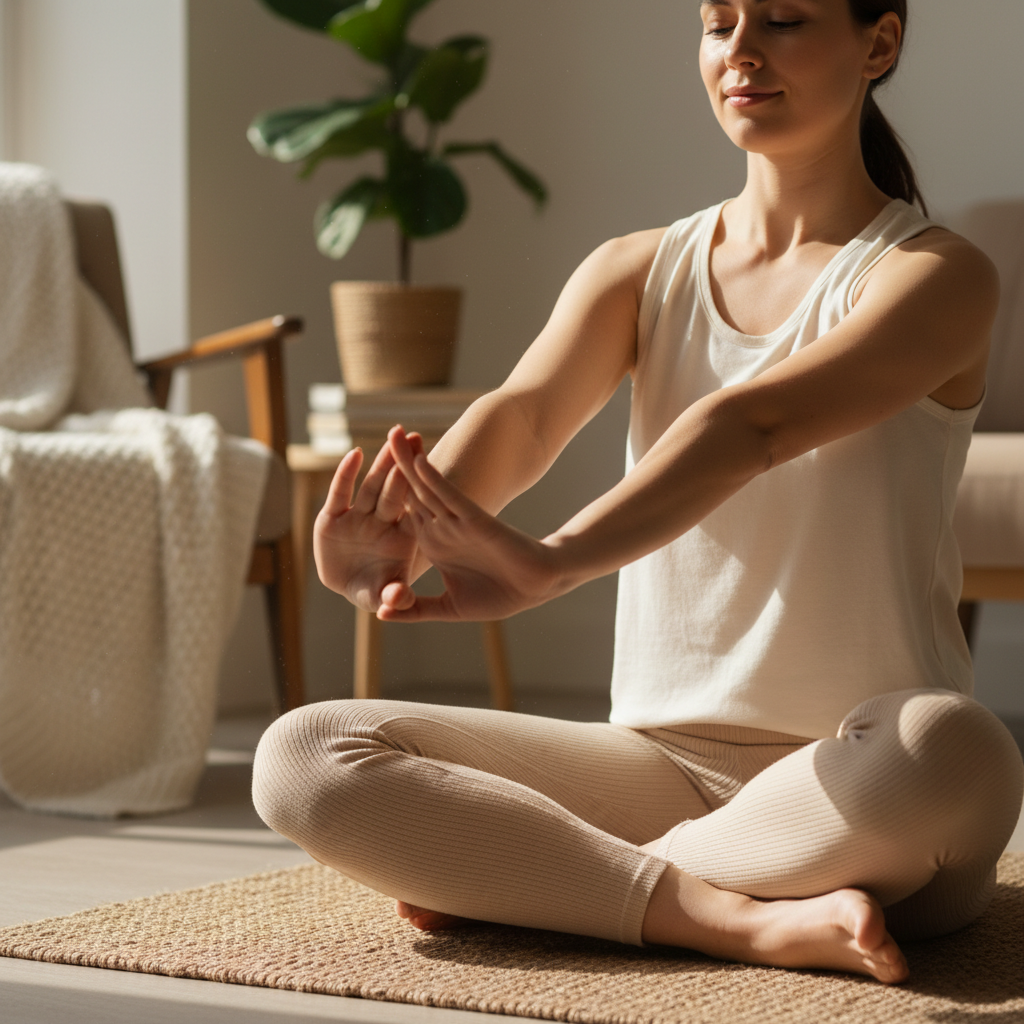
A strong core is essential for balance. Engage in exercises like planks, bridges, and abdominal crunches to build core strength. A stable core supports the spine and helps maintain a steady posture, reducing the risk of falls.
Regular strength training can also aid in maintaining muscle mass, which naturally decreases with age. Focus on exercises that target the legs, back, and abdomen to support overall balance and flexibility.

Stay Active with Low-Impact Activities
Low-impact activities such as walking, swimming, and cycling are excellent for maintaining flexibility and balance without putting undue stress on the joints. These activities also promote cardiovascular health and enhance endurance.
Consistency is crucial, so aim for at least 150 minutes of moderate-intensity exercise per week. Remember to listen to your body and rest as needed to prevent overexertion.

Prioritize Nutrition and Hydration
Proper nutrition plays a pivotal role in maintaining flexibility and balance. Ensure your diet includes plenty of fruits, vegetables, lean proteins, and whole grains. Foods rich in calcium and vitamin D are essential for bone health, which is closely linked to balance.
Hydration is equally important. Dehydration can lead to muscle cramps and dizziness, both of which can affect balance. Aim to drink at least eight glasses of water a day, more if you're active.
Consult with Healthcare Professionals
Before starting any new exercise regimen, it's wise to consult with healthcare professionals. They can provide personalized recommendations based on your health status and ensure that your activities are safe and effective.
Physical therapists can offer targeted exercises to improve flexibility and balance, while dietitians can guide you on maintaining a balanced diet that supports your active lifestyle.

Conclusion
Maintaining flexibility and balance as you age is crucial for a healthier, more active life. By incorporating regular stretching, strengthening core muscles, staying active with low-impact activities, and prioritizing nutrition, you can significantly enhance your well-being. Remember, it's never too late to start, and every small step counts towards a more balanced and flexible you.