Common Myths About Senior Fitness Debunked
Common Myths About Senior Fitness Debunked
As we age, staying active becomes increasingly important for maintaining health and independence. However, many myths about senior fitness can discourage older adults from engaging in physical activities. Let’s debunk some of these common misconceptions.

Myth 1: Exercise Is Too Risky for Seniors
One of the most pervasive myths is that exercise is too dangerous for older adults. While it's true that certain medical conditions require caution, the benefits of regular physical activity far outweigh the risks. Exercise can improve balance, reduce the risk of falls, and enhance overall well-being. It's crucial to tailor activities to individual capabilities and health conditions.
Consulting a healthcare provider before starting any new exercise program is always a smart step. They can provide guidance on suitable exercises and ensure that physical activity is safe and effective.
Myth 2: Seniors Can’t Build Muscle
Another common misconception is that seniors can't build muscle. In reality, older adults can still gain muscle mass and strength through resistance training. Regular strength exercises can help counteract age-related muscle loss, improve mobility, and boost metabolism.

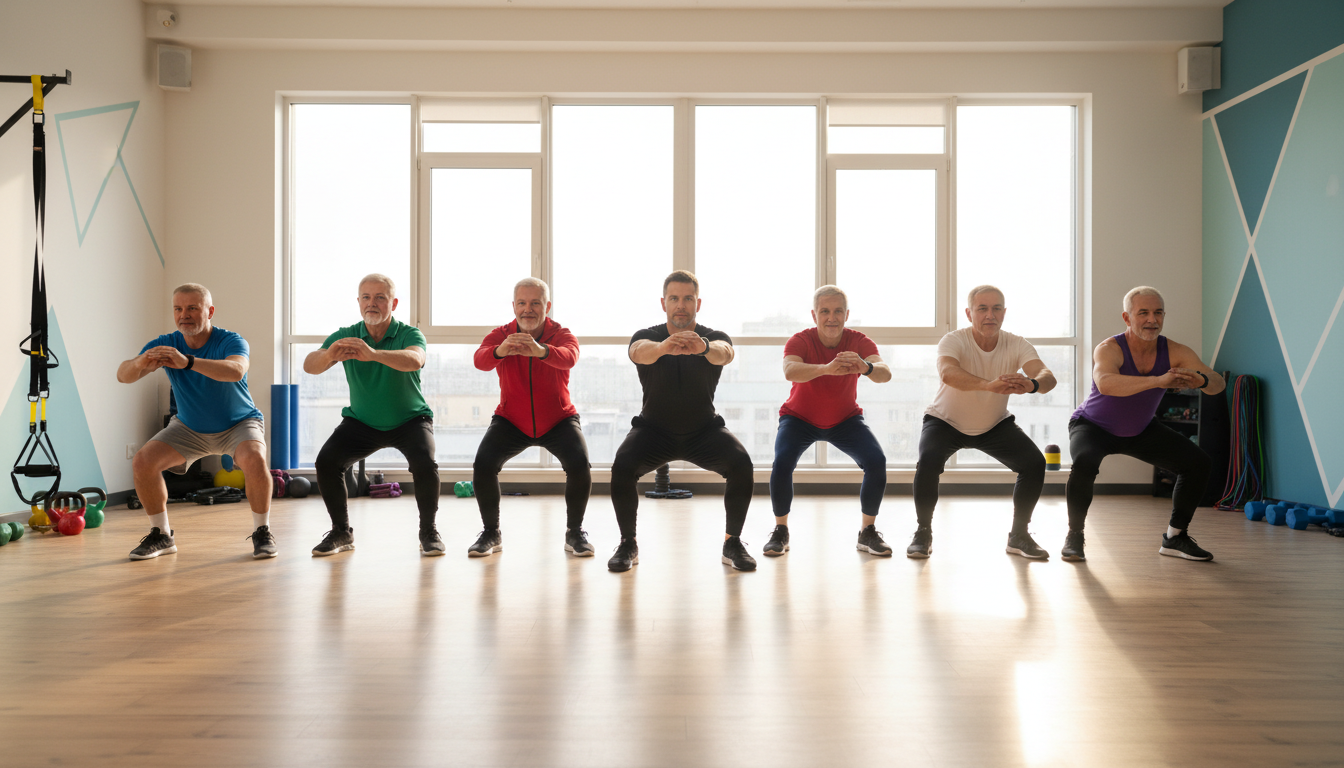
Incorporating activities like weightlifting, resistance band exercises, or body-weight exercises can make a significant difference. It's never too late to start, and even modest strength gains can have a profound effect on daily life.
Myth 3: Cardio Is the Only Important Exercise
While cardiovascular exercise is important for heart health, it’s not the only type of exercise seniors should focus on. A well-rounded fitness routine includes strength training, flexibility, and balance exercises. Each type of exercise offers unique benefits that contribute to overall health.
Balance exercises, such as tai chi or yoga, can help prevent falls by improving stability and coordination. Flexibility exercises keep joints limber, reducing the risk of injury.

Myth 4: It's Too Late to Start Exercising
Some believe that if they haven’t been active throughout their lives, it's too late to start. This is far from the truth. Beginning an exercise routine at any age can lead to significant improvements in health and quality of life. Seniors who become active later in life often experience reduced symptoms of chronic illnesses and improved mental health.
Starting slowly and gradually increasing activity levels is key. Joining community exercise classes or finding a workout buddy can add a social element that makes exercise more enjoyable.
Myth 5: Pain Is a Normal Part of Exercise
Some seniors may avoid exercise due to the belief that pain is an inevitable part of physical activity. While some muscle soreness is normal as the body adapts to new activities, persistent pain is not. Listening to your body and modifying exercises as needed is essential to avoid injury.
If pain persists, it’s important to consult a healthcare professional. They can help address underlying issues and adjust the fitness routine to ensure it remains safe and beneficial.
By understanding and debunking these myths, seniors can confidently engage in fitness activities that enhance their health and happiness. Remember, it's never too late to start reaping the benefits of a physically active lifestyle.