Busting Myths About Senior Fitness: What You Need to Know
Introduction to Senior Fitness Myths
As we age, maintaining an active lifestyle becomes increasingly important. However, there are numerous myths surrounding senior fitness that can create unnecessary barriers. In this post, we'll debunk some of these common misconceptions and provide you with the information you need to stay healthy and active.
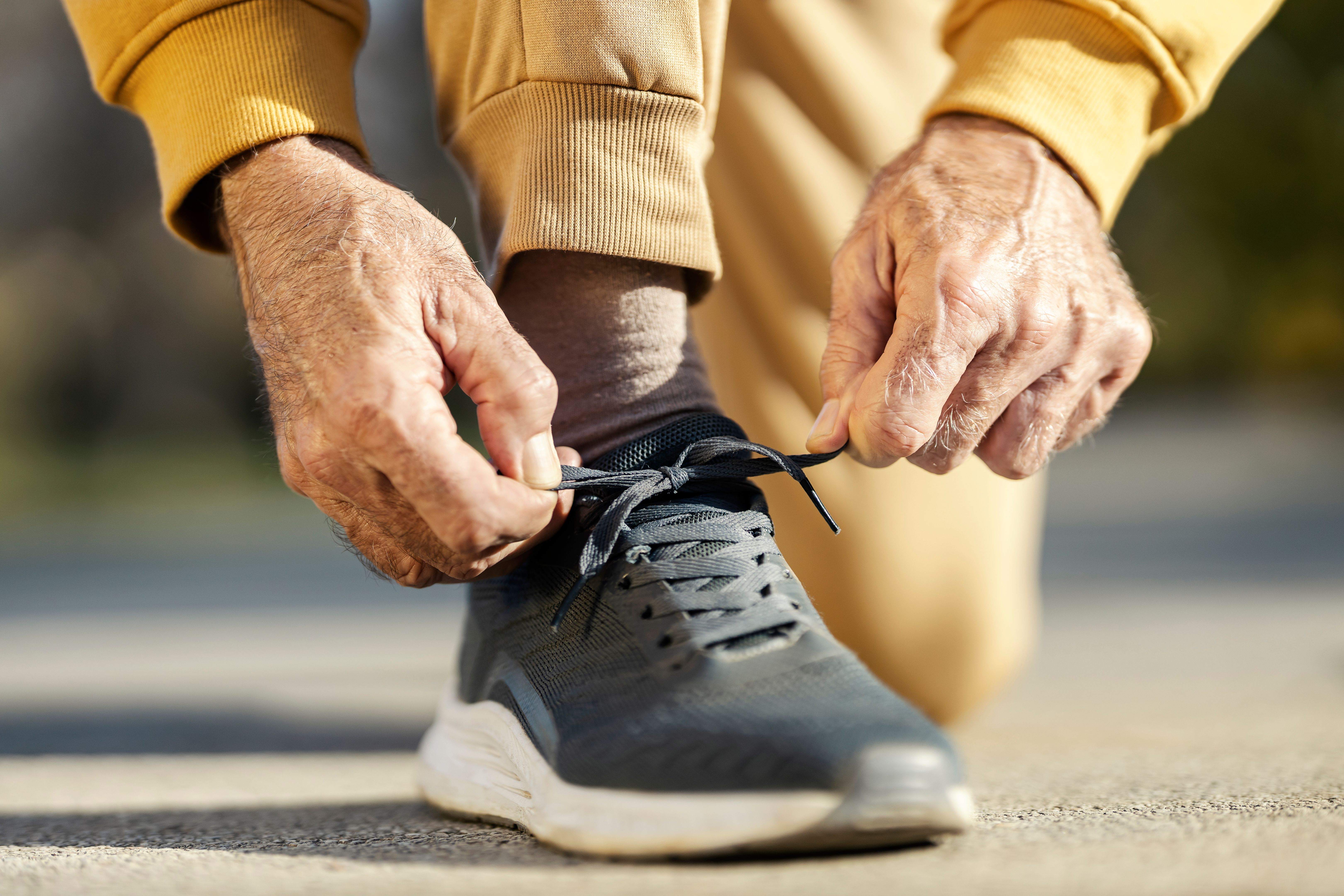
Myth 1: Seniors Should Avoid Exercise to Prevent Injuries
One of the most prevalent myths is that seniors should avoid physical activity to prevent injuries. On the contrary, regular exercise helps to strengthen muscles and improve balance, reducing the risk of falls and injuries. Engaging in activities like walking, swimming, or tai chi can enhance overall stability and coordination.
Safe Exercise Tips
- Start slowly and gradually increase the intensity.
- Incorporate balance and flexibility exercises.
- Consult a healthcare provider before beginning any new fitness program.
Myth 2: It's Too Late to Start Exercising
Many believe that if you haven't been active your whole life, starting a fitness routine in your senior years is futile. However, research shows that beginning an exercise regimen at any age can provide numerous health benefits, including improved cardiovascular health, increased muscle mass, and enhanced mental well-being.

Benefits of Starting Later in Life
Starting to exercise later in life can lead to improved cognitive function, reduced symptoms of depression, and better sleep quality. Embracing physical activity can also foster a sense of community and purpose, contributing to a higher quality of life.
Myth 3: Only High-Intensity Workouts Are Beneficial
Another common misconception is that only high-intensity workouts are effective. For seniors, low-impact exercises can be just as beneficial. Activities like walking, cycling, and water aerobics can provide significant health benefits without putting undue stress on the body.
Exploring Low-Impact Options
- Walking: A simple way to stay active without equipment.
- Water Aerobics: Reduces joint strain while improving strength.
- Yoga: Enhances flexibility, balance, and mental clarity.

Myth 4: Seniors Can't Build Muscle
It's a common belief that seniors can't build muscle, but this is far from the truth. With regular strength training exercises, older adults can increase muscle mass and strength, which is crucial for maintaining independence and daily function.
Strength Training for Seniors
Strength training doesn't have to involve heavy weights. Bodyweight exercises, resistance bands, and light dumbbells are effective tools for building muscle. Aim for two to three sessions per week, focusing on major muscle groups.
Conclusion
Busting these myths about senior fitness can help encourage more older adults to embrace an active lifestyle. Remember, it's never too late to start, and the benefits of exercise extend far beyond physical health. Stay informed, consult your healthcare provider, and find activities you enjoy to make fitness a rewarding part of your routine.